
Who we are
Meet our Ambassadors
Ambassadors are not consortium members. They are public figures whose own work overlaps with ours, who speak for GCG where we are not in the room, and who keep us answerable to the people public safety is for.
Our ambassadors are not consortium members, directors or associates — they are individuals whose own work embodies what GCG stands for, and who choose to stand with us.
Travis D. Frain OBE DL
Ambassador for counter-terrorism preparedness and the survivor's voice in protective security
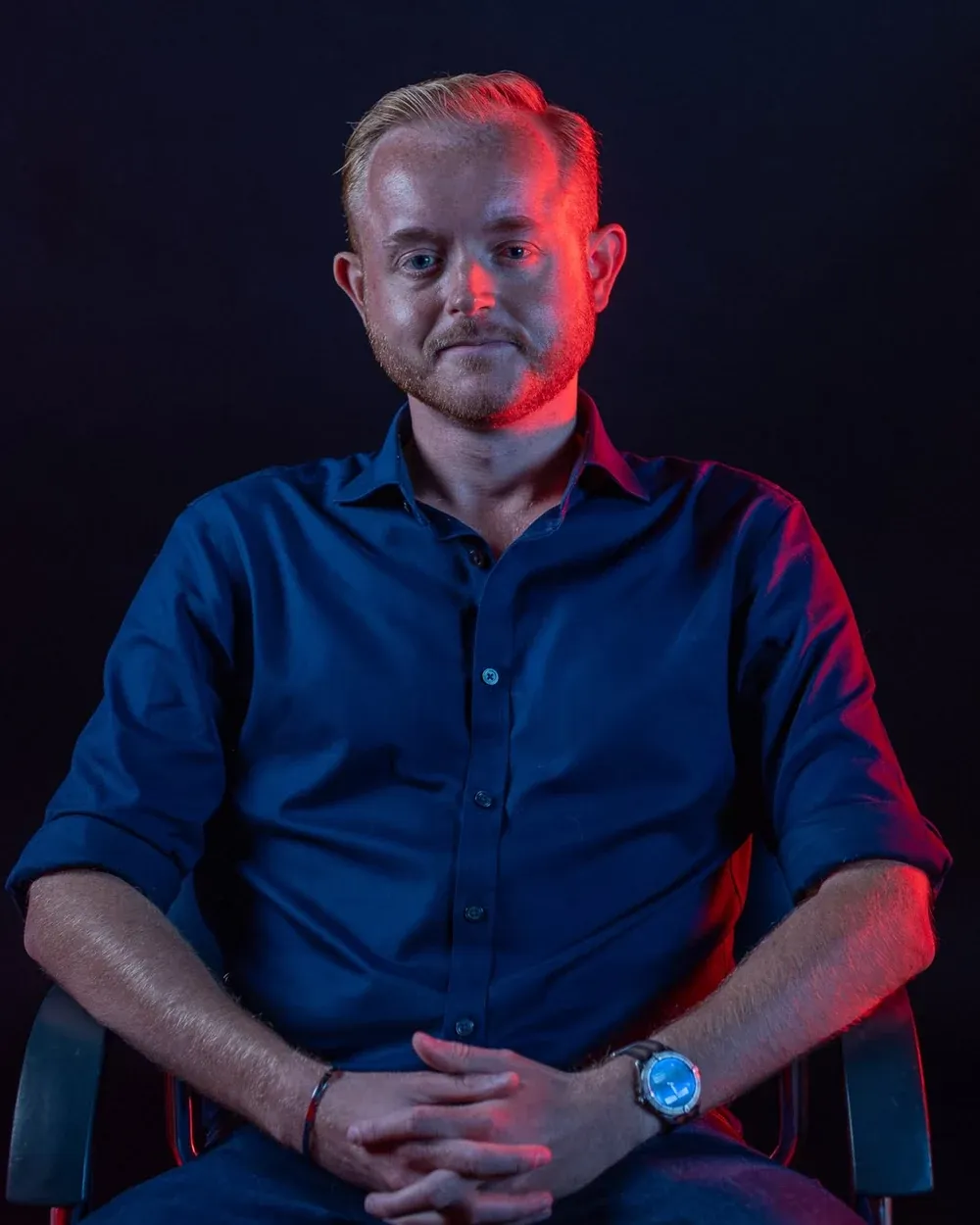
About Travis
Travis D. Frain OBE DL survived the 2017 Westminster Bridge attack. After recovering from his injuries, he co-founded the pressure group Survivors Against Terror in 2018 and the counter-extremism NGO Resilience in Unity in 2021. He has built a vast network of individuals with lived experience of terrorism and violent extremism, and now works to upskill and create opportunities for those individuals to share their testimony and contribute their voice to public safety, counter-terrorism, and education.
He has held leadership positions in Counter Terrorism Policing's Advisory Network, and has worked as a civilian trainer to three different police constabularies, teaching on counter-terrorism legislation and victim support. He has led several successful campaigns to change legislation, improving public safety and increasing support for victims of terrorism, and most recently led a campaign for the British Government to establish a “National Day for Victims & Survivors of Terrorism”.
In recognition of his work, he was appointed an OBE in the 2024 New Year Honours and, later that same year, he was commissioned as the country's youngest Deputy Lieutenant, a personal representative of His Majesty.
What Travis is an ambassador for
Martyn's Law exists because survivors and families campaigned for it. That is the perspective Travis brings to GCG's Safety, Security & Resilience practice and to CT STEP: not a compliance regime to be met, but people who were in the room.
Why Travis is an ambassador
GCG's members have spent their careers on the operational side of counter-terrorism: commanding the response to attacks, training the officers who protect crowded places. Travis carries the other side of the same story: what an attack means for the people caught in it, and what organisations owe the public who use their spaces. Bringing the two together keeps GCG's work honest about who it ultimately serves.
Why engage with GCG through Travis
For organisations preparing under Martyn's Law and comparable regimes worldwide, Travis sits in the room with the board and the security team and says what an attack does to the people in a venue. GCG's practitioners then take that into the capacity assessment, the exercise and the audit trail.
Why Travis engages with GCG
GCG puts Travis in front of the people who make protective-security decisions: the chief officers, government departments and businesses the consortium already advises. Campaigning changes the law; this is where the law becomes someone's Tuesday-morning plan.
Andrew Rhodes OBE QPM
Ambassador for emergency responder wellbeing and evidence-based wellbeing leadership
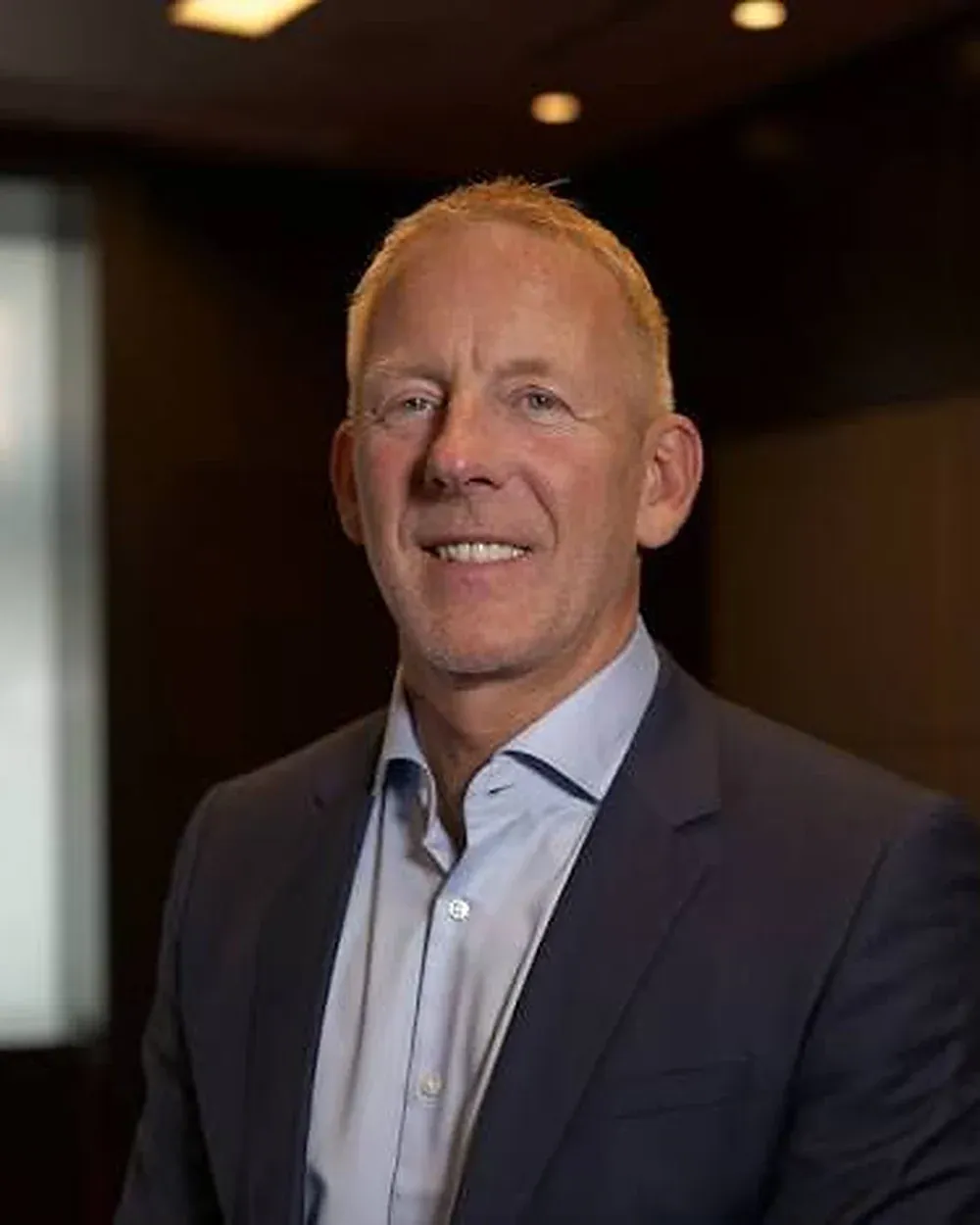
About Andrew
Andrew Rhodes OBE QPM is Service Director of Oscar Kilo, the National Police Wellbeing Service for England and Wales, and the National Police Chiefs' Council lead for policing wellbeing. He was Chief Constable of Lancashire Constabulary. He designed the Blue Light Wellbeing Framework, the first national benchmarking tool for organisational wellbeing in UK policing, and developed it into the Workforce Prioritisation Guidance. That work underpins the wellbeing standards the Police Reform White Paper (January 2026) made mandatory for Home Office forces.
Andrew chairs the National Police Wellbeing Service Board, the Police Covenant Delivery Group and the Royal Foundation's Blue Light Together programme team — the cross-sector partnership delivering a uniform set of mental health standards and support for the UK's emergency responder community and their families. He runs the National Police Wellbeing Survey. He is completing a PhD by Professional Practice at the University of Manchester on Oscar Kilo and how workforce wellbeing is governed in UK policing. He was appointed OBE in the 2022 Birthday Honours for services to emergency responder wellbeing and mental health, and awarded the Queen's Police Medal in 2015.
What Andrew is an ambassador for
Andrew is GCG's ambassador for emergency responder wellbeing and evidence-based wellbeing leadership — the evidence base GCG Wellbeing is built on, and the reason for its Oscar Kilo partnership. As GCG's Health & Wellbeing Senior Advisor, he takes what UK policing has learned about wellbeing to organisations whose people carry the same operational strain.
Why Andrew is an ambassador
GCG's wellbeing practice is built on the standards, benchmarking tools and survey evidence that Andrew conceived and led in UK policing. Having him inside the consortium keeps that work first-hand: the person who designed the national framework helping organisations far beyond England and Wales apply it — and he has done it as a chief constable, accountable for a force while the standards were being set.
Why engage with GCG through Andrew
For chiefs, command teams and boards treating wellbeing as a strategic responsibility rather than a welfare add-on, Andrew brings the authority of having built the UK's national model — from benchmarking and standards through to mandated provision. Alongside GCG's practitioners, he helps organisations diagnose where prevention is weakest and build wellbeing provision that stands up to governance scrutiny.
Why Andrew engages with GCG
GCG takes the wellbeing model built in UK policing to police services, governments and other high-pressure organisations. It does that through its Oscar Kilo partnership, through the BPI™ benchmarking review and the Leadership for Wellbeing programme, and through leaders who have carried the same strain themselves.